
Lotus seed quality guide
Xiang Lotus Seed Quality Grades and Inspection Checklist
A grade is useful only when the buyer and source use the same definitions, sampling method, test method and acceptance rule. Build the checklist before sample approval or price comparison.
Direct answer
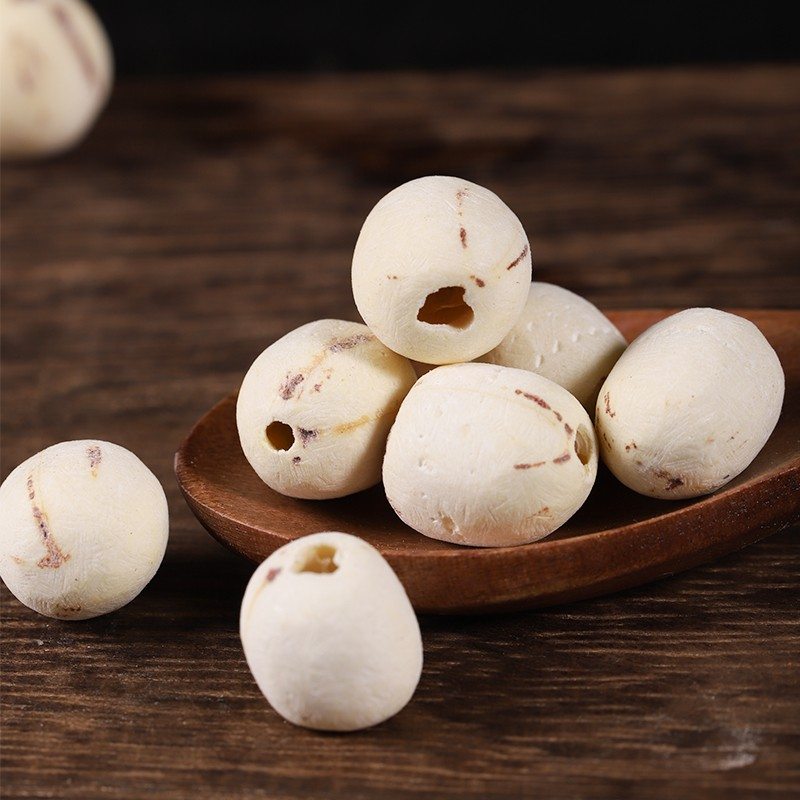
Define each defect category and set a limit, sample size and calculation method. Add objective tests for moisture and any destination-specific food-safety parameters. Use approved reference samples only as supporting visual evidence.
The inspection report should identify the source code, product, lot, production or crop information, packing units sampled, methods, results and decision.
A practical buyer decision path
Define
Application, specification, quantity, destination and evidence needs.
Compare
Align supplier responses, methods, exclusions and commercial basis.
Verify
Check the agreed company, product, document or on-site scope.
Control
Record samples, approvals, changes, inspection and shipment milestones.
Close
Deliver the agreed record, open-item list and next-step decision.
Why it matters
Terms such as whole, white, cored, clean or premium can be interpreted differently. Shared definitions prevent a visual disagreement from becoming a commercial dispute.
A lot may be heterogeneous. Sampling design and lot identification matter as much as the individual measurement.
Buyer decision criteria
- Product form and acceptable breakage
- Size range and method
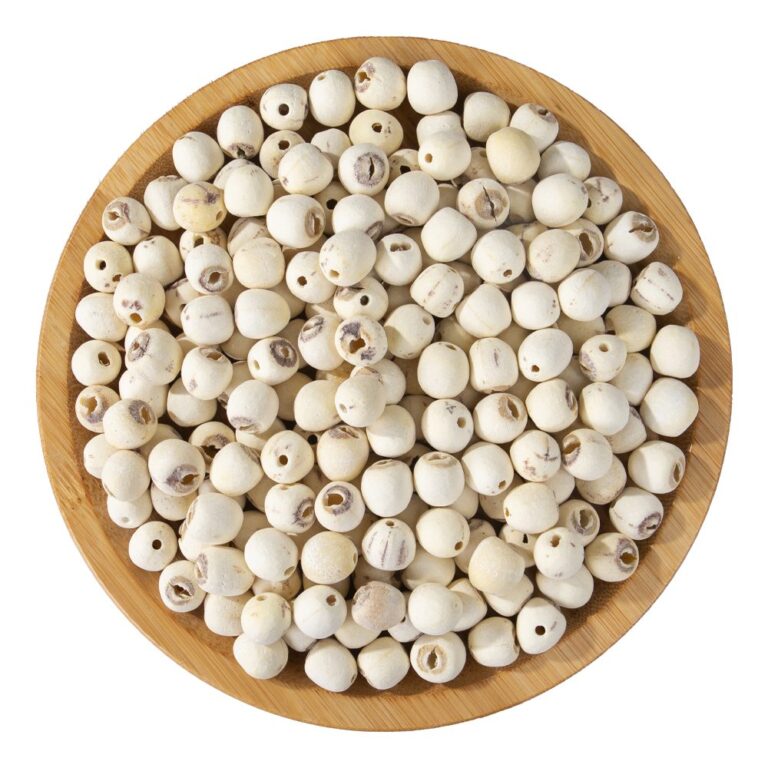
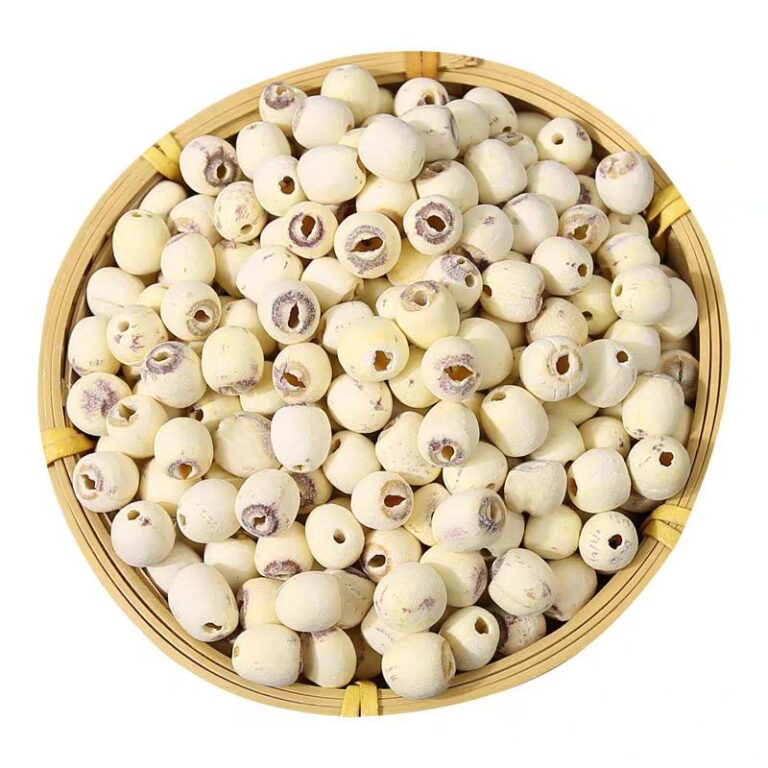
- Colour and appearance reference
- Moisture and storage condition
- Residual core, foreign matter and named defect categories
- Food-safety or residue tests relevant to destination and use
- Packing integrity, labels and lot codes
Specification checklist
| Inspection item | Define before order | Record at inspection |
|---|---|---|
| Identity | Product name, form, source code and lot definition | Lot codes, unit count and sampled units |
| Visual defects | Named categories, reference images and limits | Counts or weights by category |
| Size and breakage | Method, sample size and tolerance | Distribution and result calculation |
| Moisture and tests | Methods, limits and laboratory requirement | Results, report number and sample linkage |
| Packing | Materials, weights, seals, marks and pallet plan | Conformity, damage and sampled weights |
Document checklist
- Controlled product specification
- Approved defect definitions or reference images
- Sampling and inspection instruction
- Lot list and packing specification
- Test method and laboratory report where required
- Signed inspection report and release decision
Common mistakes
- Mixing counts and weights without a conversion rule
- Leaving mould, discoloration or insect damage undefined
- Measuring a convenient handful instead of a planned sample
- Using different moisture methods for sample and shipment
- Accepting labels without confirming lot traceability
Questions to ask suppliers
- What grading method is used before packing?
- How is reworked or blended material identified?
- Which defects are removed manually or mechanically?
- How is moisture controlled during storage and shipment?
- Can the proposed inspection method be applied to every commercial lot?
Related products and pages
Frequently asked questions
Can this guide replace a project-specific specification?
No. Use it to prepare questions and controls, then obtain the required technical, regulatory and legal review for the actual project.
Does this guide confirm a particular supplier?
No. Supplier identity, capability and evidence are reviewed privately against a qualified buyer requirement.
What should a buyer send for review?
Send the application, specification or drawing, quantity, destination, timing, packing and required tests or documents.
Sources & references
Official geographic-origin context: China National Intellectual Property Administration — Xiang Lotus geographic-indication product protection requirements. Current public standards records: DB43/T 439-2019, Geographical Indication Product — Xiang Lotus and NY/T 1504-2007, Lotus Seed. Accessed 7 September 2026.
These public sources establish geographic-indication and standard context; they do not prove authorization, origin, grade, compliance or lot results for an unnamed commercial source. Check the exact source, product, document holder, scope, dates and lot linkage.
Send us your sourcing requirement
Share the specification, quantity, destination and required documents. We will review the request before matching a suitable supply source.
Review and evidence note
Last reviewed: 2026-09-07
The checklist is a template, not a public specification for every Xiangtan-area product. Buyer limits and test methods must be established for the exact order.
Final product availability, specification, documentation and commercial terms are confirmed during supplier matching and quotation.