
Lotus seed buyer guide
How to Import White Lotus Seeds from China
A reliable import process starts with the destination and intended use, then turns product language into measurable specifications, evidence requests and lot-level acceptance rules.
Direct answer
Define the product and destination-market requirements first. Then qualify the proposed source, approve a representative sample, agree a written specification and inspection plan, verify the applicable documents, and link every shipment to a traceable lot.
Do not rely on photos, a regional name or a certificate title alone. Check the holder, scope, dates and connection between the evidence, source, product and lot.
A practical buyer decision path
Define
Application, specification, quantity, destination and evidence needs.
Compare
Align supplier responses, methods, exclusions and commercial basis.
Verify
Check the agreed company, product, document or on-site scope.
Control
Record samples, approvals, changes, inspection and shipment milestones.
Close
Deliver the agreed record, open-item list and next-step decision.
Why it matters
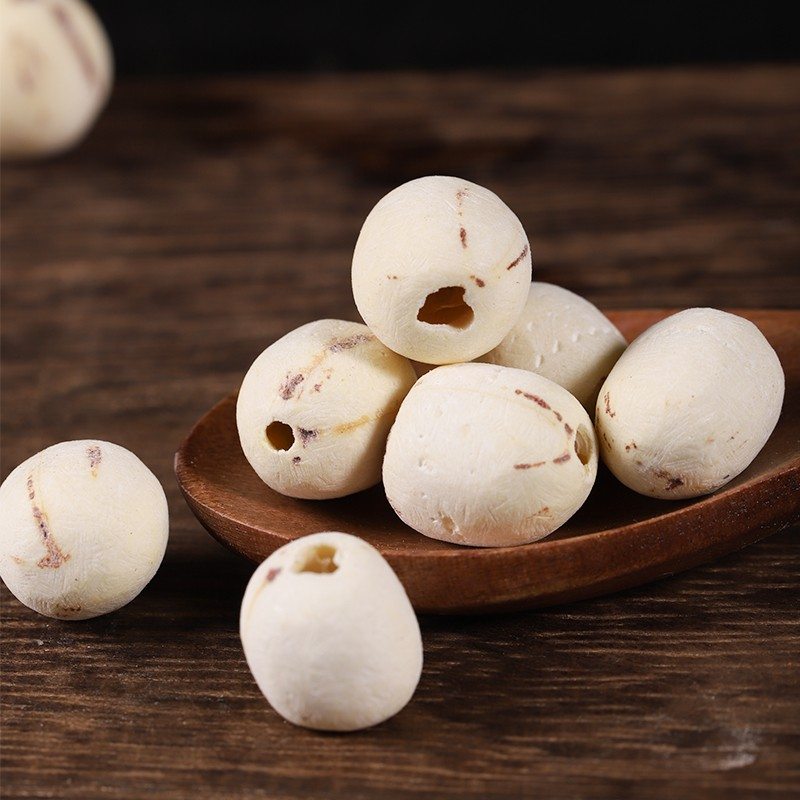
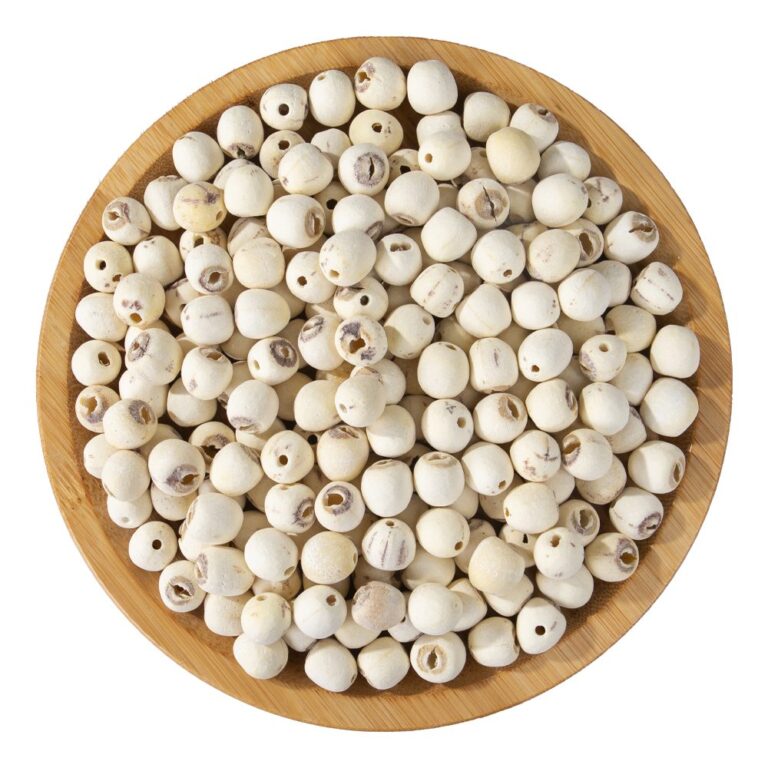
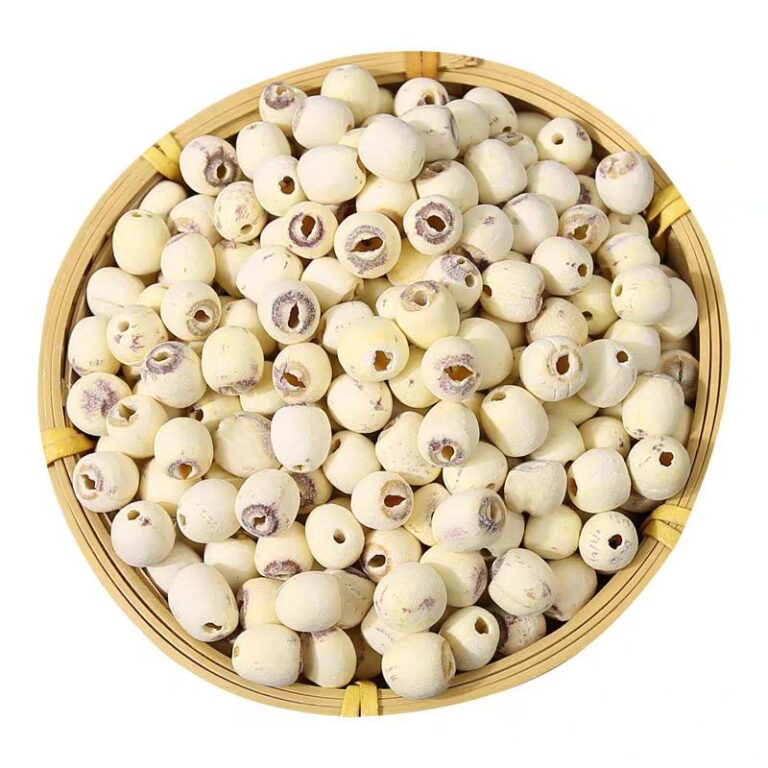
White lotus seed offers may use similar descriptions while differing in kernel form, residual core, size, moisture, defects, processing, crop period, packing and document support.
A written acceptance process reduces disputes and makes competing offers more comparable. Import and food requirements vary by destination, so the buyer or its qualified adviser remains responsible for confirming market rules.
Buyer decision criteria
- Intended food process and end-user specification
- Kernel form, size method, moisture and named defect limits
- Crop or production period, storage and lot traceability
- Destination-market testing, plant registration, phytosanitary or other import requirements
- Packing, labels, palletization and shelf-life expectations
- Sampling, inspection, remedies and release authority
Specification checklist
| Stage | Minimum buyer input | Control point |
|---|---|---|
| RFQ | Product form, measurable grade, quantity, destination, use and required documents | Issue one common RFQ to all candidate sources |
| Sample | Sample identity, date, source code and test plan | Record approval and retain a reference sample where practical |
| Order | Final specification, packing, labels, tests, inspection and remedies | Attach controlled versions to the contract |
| Shipment | Lot list, test results, documents and inspection status | Release only after the agreed checks pass |
Document checklist
- Supplier legal and production-source identity for private due diligence
- Current specification and packing specification
- Lot-linked COA or test results under agreed methods
- Origin and traceability records
- Destination-specific phytosanitary, food-safety, registration or certificate evidence as applicable
- Commercial invoice, packing list and shipping documents
Common mistakes
- Asking only for “best quality” without acceptance limits
- Treating an approved sample as a guarantee without lot inspection rules
- Assuming a certificate covers the exact source, product, market and date
- Using a protected geographic name without verifying authorization and traceability
- Confirming price before packing, tests, inspection and document costs are understood
Questions to ask suppliers
- Which entity manufactures or processes the offered lot, and what work is subcontracted?
- How are raw material, processing, packing and shipment lots connected?
- Which specification and test methods will appear on the order and COA?
- What destination-specific documents can be provided for this exact source?
- How are nonconforming lots handled before and after shipment?
Related products and pages
Frequently asked questions
Can this guide replace a project-specific specification?
No. Use it to prepare questions and controls, then obtain the required technical, regulatory and legal review for the actual project.
Does this guide confirm a particular supplier?
No. Supplier identity, capability and evidence are reviewed privately against a qualified buyer requirement.
What should a buyer send for review?
Send the application, specification or drawing, quantity, destination, timing, packing and required tests or documents.
Sources & references
Official geographic-origin context: China National Intellectual Property Administration — Xiang Lotus geographic-indication product protection requirements. Current public standards records: DB43/T 439-2019, Geographical Indication Product — Xiang Lotus and NY/T 1504-2007, Lotus Seed. Accessed 7 September 2026.
These public sources establish geographic-indication and standard context; they do not prove authorization, origin, grade, compliance or lot results for an unnamed commercial source. Check the exact source, product, document holder, scope, dates and lot linkage.
Send us your sourcing requirement
Share the specification, quantity, destination and required documents. We will review the request before matching a suitable supply source.
Review and evidence note
Last reviewed: 2026-09-07
This guide describes a buyer-control process. It does not confirm that any unnamed supplier holds a particular certificate, authorization or export eligibility.
Final product availability, specification, documentation and commercial terms are confirmed during supplier matching and quotation.