
CMC selection guide
Instant CMC vs Standard CMC: How to Choose
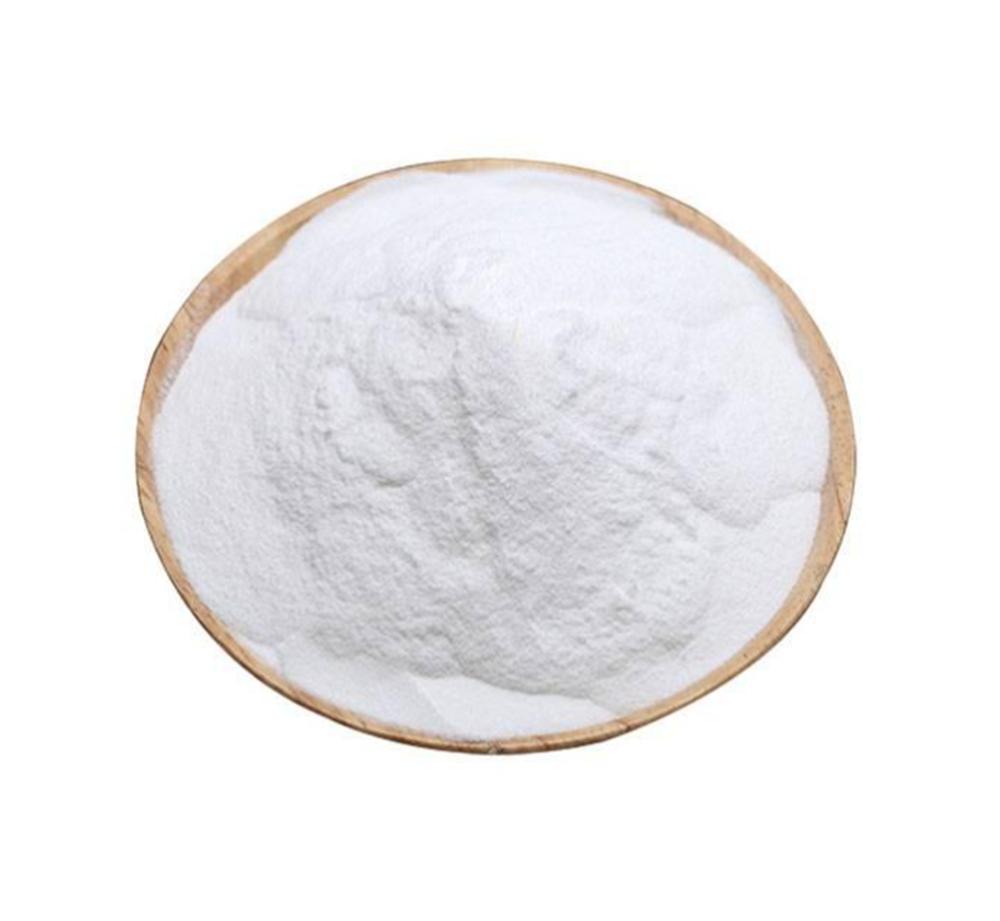
Instant CMC can shorten a defined make-down stage, but the label does not guarantee faster application readiness or better final performance. Compare both materials under the same plant-relevant method.
Direct answer
Choose instant CMC when a controlled comparison shows that it reduces the buyer’s real bottleneck—such as powder dispersion or application-ready time—without compromising final properties, application performance, safety or compliance.
Choose standard CMC when the existing make-down system already controls wetting and hydration reliably or when the instant treatment provides no validated process advantage. Purchase price should be compared with total batching time, equipment, labour, yield and requalification cost.
Side-by-side test design
| Comparison | Hold constant | Measure |
|---|---|---|
| Initial dispersion | Water, vessel, feed rate and agitation | Lumps, floating powder and screen residue |
| Hydration | Concentration, temperature and sampling times | Viscosity or rheology development curve |
| Final solution | Defined endpoint method | Final properties and stability |
| Application | Recipe, dosage and process | Buyer-defined product or process result |
| Economics | Comparable batch and quality basis | Time, labour, energy, yield and rework |
A practical buyer decision path
Define
Application, specification, quantity, destination and evidence needs.
Compare
Align supplier responses, methods, exclusions and commercial basis.
Verify
Check the agreed company, product, document or on-site scope.
Control
Record samples, approvals, changes, inspection and shipment milestones.
Close
Deliver the agreed record, open-item list and next-step decision.
Why it matters
An “instant” sample may disperse visibly but continue hydrating, while a standard grade may perform well with the right feed equipment.
A clear endpoint prevents suppliers and buyers from using different meanings for rapid dispersion, dissolution and application readiness.
Buyer decision criteria
- Current make-down bottleneck
- Powder feed and agitation equipment
- Water and formulation conditions
- Dispersion and full-hydration endpoints
- Final viscosity and solution quality
- Application result and stability
- Total process economics and source change control
Specification checklist
| Question | Instant candidate | Standard candidate |
|---|---|---|
| How quickly does powder disperse? | Measure under buyer feed conditions | Use the same feed conditions |
| When is full hydration reached? | Plot the same timed method | Plot the same timed method |
| Does the final application pass? | Run the controlled application | Run the controlled application |
| What process changes are needed? | Record grade-specific sequence | Record current or improved sequence |
| What is the total cost? | Include process benefit and controls | Include existing time/equipment cost |
Document checklist
- Controlled specifications for both candidates
- Grade-specific make-down instructions
- Time-resolved raw data
- Residue and final-property report
- Application trial and economics summary
- Source/change-notification information
Common mistakes
- Treating instant as an undefined marketing adjective
- Measuring visual dispersion but not full hydration
- Comparing different addition or agitation conditions
- Ignoring final application performance
- Comparing bag price without total process cost
Questions to ask suppliers
- How do you define and test “instant” for this grade?
- What surface or particle design affects the addition method?
- When is final viscosity reached under the stated test?
- What application data use the same grade and conditions?
- Will treatment or source changes trigger notification?
Related products and pages



Frequently asked questions
Is instant CMC always more expensive?
Commercial terms vary. Compare total process cost, not only unit price.
Does faster dispersion mean faster full hydration?
Not automatically. Measure both endpoints using a timed method.
Can an instant treatment affect the addition sequence?
It can. Obtain grade-specific guidance and validate it in the buyer equipment and formulation.
Sources & references
This guide defines a comparative decision method and does not claim a universal advantage for instant or standard grades.
Exact powder treatments, methods and performance data require source-specific review.
Send us your sourcing requirement
Share the specification, quantity, destination and required documents. We will review the request before matching a suitable supply source.
Review and evidence note
Last reviewed: 2026-09-07
No grade-independent speed or cost advantage is claimed. The buyer’s controlled process and application comparison determines selection.
Final product availability, specification, documentation and commercial terms are confirmed during supplier matching and quotation.