
CMC make-down guide
How to Dissolve CMC Without Lumps
CMC lumping usually starts when the powder surface hydrates faster than water can reach the interior. A controlled addition and circulation plan reduces high local concentration and creates a more uniform solution.
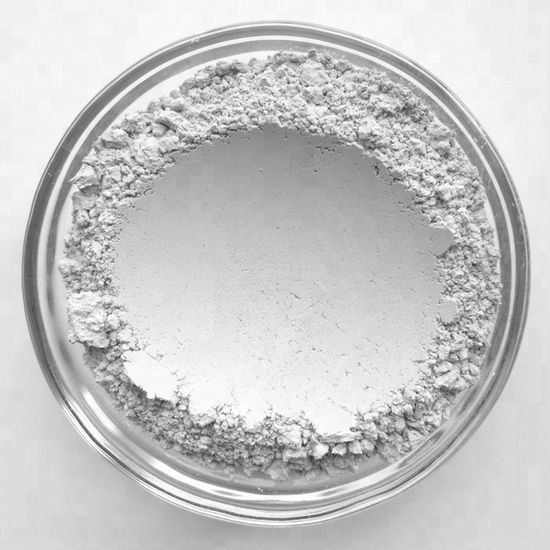
Direct answer
Start with a defined water volume and temperature, establish effective circulation, and add CMC gradually into the moving liquid so particles wet separately. Avoid dumping powder into a stagnant zone or onto an already thick surface layer.
Continue mixing only as required by the validated method, then allow the defined hydration time before measuring viscosity or using the solution. For some formulations, dry preblending or another supplier-approved addition route may help; confirm that it does not change the formulation.
Troubleshooting by symptom
| Symptom | Likely process question | Controlled next check |
|---|---|---|
| Fish-eyes or gelled shells | Was powder added too fast or into poor circulation? | Reduce local loading and inspect the addition point |
| Floating powder | Is wetting limited by surface conditions? | Review agitation pattern, addition and any validated preblend route |
| Low early viscosity | Is hydration incomplete or temperature different? | Run a time-based viscosity curve under fixed conditions |
| Screen residue | Are there lumps, contamination or insoluble particles? | Use a defined screen and retain the residue for inspection |
A practical buyer decision path
Define
Application, specification, quantity, destination and evidence needs.
Compare
Align supplier responses, methods, exclusions and commercial basis.
Verify
Check the agreed company, product, document or on-site scope.
Control
Record samples, approvals, changes, inspection and shipment milestones.
Close
Deliver the agreed record, open-item list and next-step decision.
Why it matters
Poor make-down can make a suitable grade appear defective and can invalidate viscosity comparisons.
A recorded procedure supports scale-up, operator training, lot trending and fair supplier qualification.
Buyer decision criteria
- Water quality, temperature and initial volume
- Target concentration and batch size
- Vessel geometry, impeller and circulation
- Powder feed point and addition rate
- Dry preblend or other validated wetting route
- Mixing and hydration time
- Residue, viscosity and application-ready endpoint
Specification checklist
| Step | Record | Acceptance observation |
|---|---|---|
| Set up | Water, vessel, temperature and mixer | Stable circulation without a dead zone |
| Add | Powder mass, rate and position | Individual wetting without surface mats |
| Mix | Speed, time and temperature trend | No uncontrolled aeration or persistent dry pockets |
| Hydrate | Hold time and conditions | Defined viscosity-development endpoint |
| Verify | Residue, appearance and viscosity method | Meets the buyer’s solution and application criteria |
Document checklist
- Grade-specific make-down recommendation
- Buyer batch procedure and revision
- Water and equipment record
- Powder addition and time log
- Residue/appearance observations
- Viscosity curve and final application result
Common mistakes
- Dumping all powder at once
- Adding into a dead zone
- Changing water temperature between samples
- Measuring before the defined hydration point
- Using excessive shear or aeration without evaluating its effect
Questions to ask suppliers
- What addition sequence is recommended for this exact grade?
- Is any surface treatment or particle design relevant to wetting?
- What time profile should be expected under your stated method?
- How should residue or incomplete hydration be assessed?
- What changes when batch size and equipment scale up?
Related products and pages
Frequently asked questions
Why does CMC form fish-eyes?
The outside can hydrate into a gel layer before water reaches dry powder inside, often after rapid addition or poor circulation.
Should CMC always be added to hot water?
No universal rule applies. Follow the grade- and formulation-specific validated method and control temperature across comparisons.
Is a lump-free appearance the final endpoint?
Not necessarily. Confirm residue, hydration or viscosity development and the final application result.
Sources & references
This is a general process-control framework. The exact addition, temperature and shear route should be validated for the grade, formulation and equipment.
Supplier recommendations should be recorded by exact grade and checked during scale-up.
Send us your sourcing requirement
Share the specification, quantity, destination and required documents. We will review the request before matching a suitable supply source.
Review and evidence note
Last reviewed: 2026-09-07
No universal addition rate, temperature or dissolution time is asserted. Process validation is required for the actual grade and equipment.
Final product availability, specification, documentation and commercial terms are confirmed during supplier matching and quotation.