
CMC application sourcing
Sodium Carboxymethyl Starch (CMS) Sourcing
Sodium carboxymethyl starch (CMS) is a starch-derived material. It is not sodium carboxymethyl cellulose (CMC), and the two names or specifications should not be used interchangeably.
Sourcing Reference XTE-CMS-001

Quick answer
Begin by confirming that the requirement is for starch-derived sodium carboxymethyl starch, not cellulose-derived CMC. State the application, base material expectations, function, process, dosage, water chemistry, target rheology and application test.
Ask every source to use the full chemical name and declare the grade/model, substrate, controlled specification and test methods. Do not transfer CAS numbers, food-additive identifiers, performance data or compliance statements from CMC to CMS.
CMS is not CMC
Both names may be shortened to similar commercial abbreviations, but the polymer backbone differs: CMS is derived from starch and CMC from cellulose. This affects identity documentation, grade comparison and potentially application behaviour.
If the buyer is considering substitution, run a side-by-side technical and regulatory review. A cost or viscosity comparison does not establish functional interchangeability.
CMS powder and qualification references
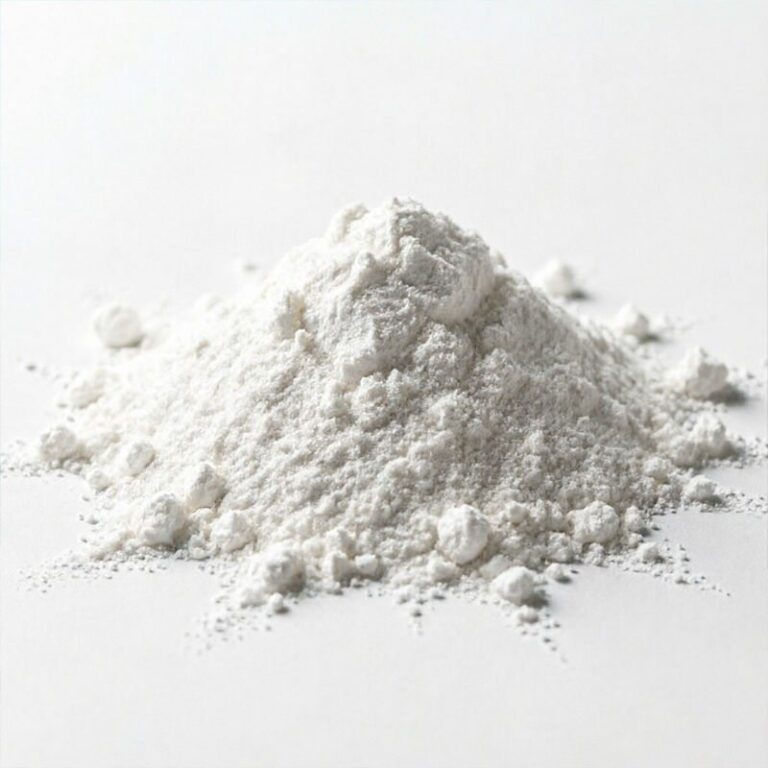
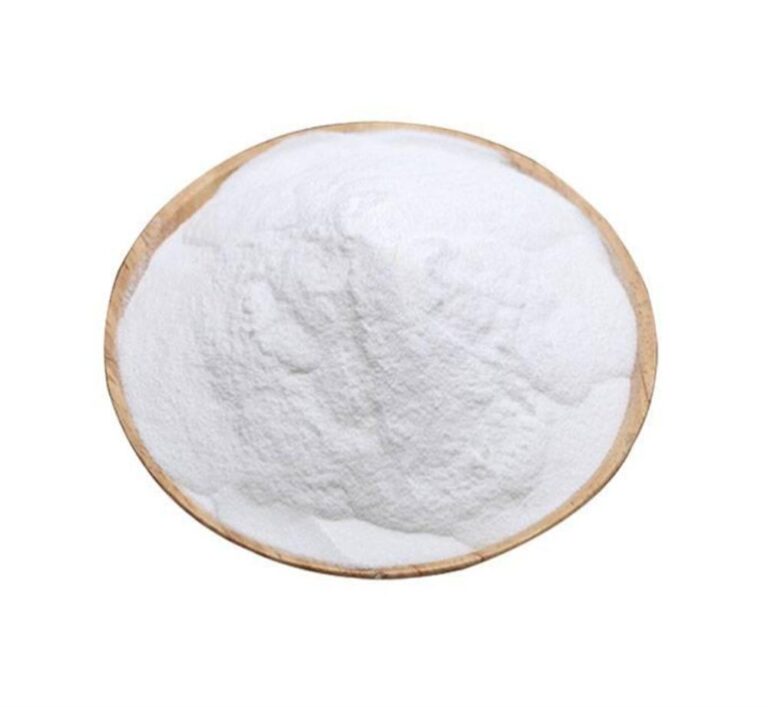

Key facts
- Sourcing reference: XTE-CMS-001
- CMS is starch-derived; CMC is cellulose-derived
- CMC identifiers such as CAS 9004-32-4 and INS 466 must not be copied to CMS
- No equivalence or drop-in replacement claim is made
Key purchasing specifications
Use identity-specific methods and an application trial; do not reuse an unrelated CMC specification.
| Parameter | RFQ definition | Buyer interpretation |
|---|---|---|
| Identity | Full material name, substrate, grade/model and identification method | Prevents CMS/CMC document and sample mix-ups |
| DS and viscosity | CMS-specific methods, concentration and conditions | Method-matched comparison only |
| Moisture/pH/purity | Buyer methods and application-appropriate limits | Supports incoming consistency and handling |
| Dissolution/dispersion | Water, temperature, mixing, time and residue observations | Connects powder behaviour to the buyer process |
| Application trial | Fixed recipe, dosage, process and performance endpoint | Determines suitability without assuming CMC equivalence |
Typical applications
- Industrial formulations where starch-derived CMS is specified
- Textile, construction, paper or other processes after application review
- Comparison projects where CMS and CMC are separately identified and tested
- Other uses only after technical and market-specific qualification
Available options
Availability depends on the selected supply source. Confirm every option during quotation.
- Application-specific CMS candidates
- Method-defined viscosity or substitution profiles
- Sample coordination for controlled trials
- Packing formats subject to source confirmation
Quality and technical considerations
Require the TDS, COA and SDS to identify the same CMS product and source. Reject mixed document sets that use CMC terminology or identifiers without explanation.
Use the buyer’s technical and regulatory team to review any substitution, food, personal-care or safety-sensitive use.
Packaging and delivery
Define liner, moisture protection, closure, net weight, lot code, pallets, storage conditions and contamination controls appropriate to the application.
Final packing and delivery terms are confirmed during quotation.
Documents buyers should request
Document availability varies by supply source and exact grade or configuration. We confirm the available document set before quotation.
- CMS-specific controlled specification and TDS
- Lot-linked CMS COA with stated methods
- CMS-specific SDS and handling information
- Substrate and manufacturing-source identity statement
- Application data, traceability and change-notification records where available
Buyer checklist
- Write “sodium carboxymethyl starch” in the RFQ
- Confirm the starch substrate and product identity
- Use CMS-specific methods and documents
- Test any substitution in the final application
- Do not transfer CMC regulatory identifiers or claims
Common mistakes
- Calling CMS a cellulose derivative
- Using a CMC CAS or food-additive number on CMS documents
- Comparing viscosity measured under different methods
- Assuming CMS is a drop-in CMC replacement
- Publishing application or compliance claims before source-specific verification
What we need to quote
- Full CMS identity and intended application
- Substrate or grade requirements
- Process, water, dosage and target function
- DS, viscosity, moisture, pH and dissolution methods
- Sample plan and commercial quantity
- Packing, destination and document list
Related sourcing and trade services
Why source through XiangtanExport
XiangtanExport reviews the buyer requirement before matching a suitable source. We coordinate specifications, document requests, samples or material tests, quotation details and export follow-up while keeping factory-specific commercial information confidential.
XiangtanExport is an independent sourcing and export coordination service. It does not claim to own the factories represented by its sourcing network.
Related buyer guides
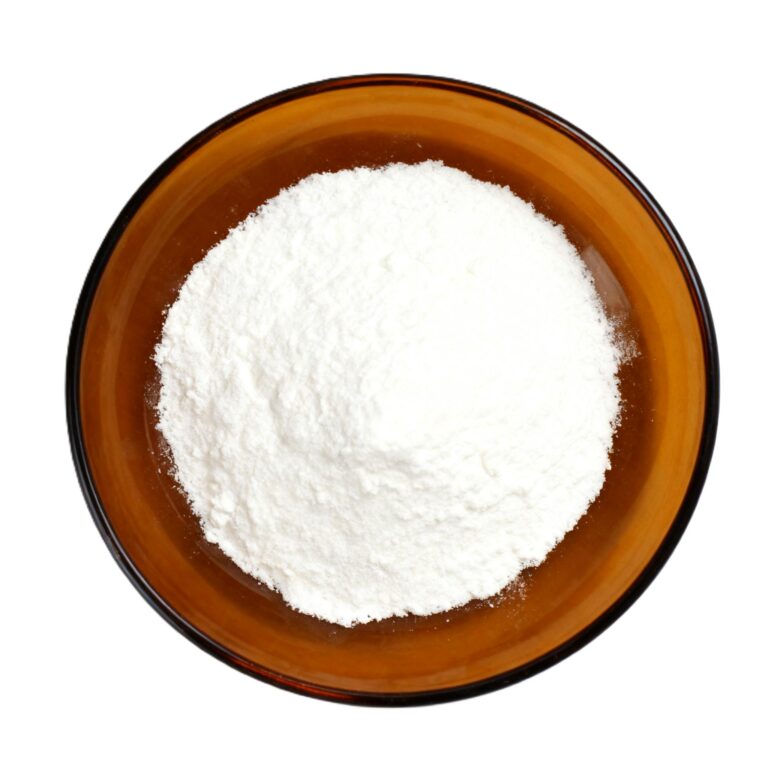

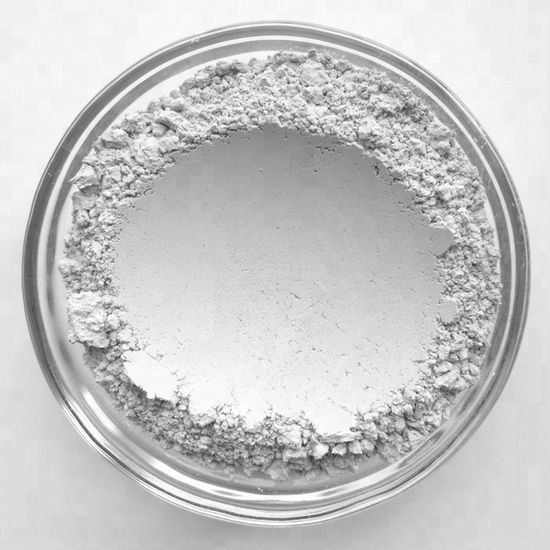
CMC & Cellulose Derivatives Hub
Keep cellulose-derived CMC and starch-derived CMS clearly separated during sourcing.
Frequently asked questions
Is CMS another name for CMC?
No. CMS is carboxymethyl starch; CMC is carboxymethyl cellulose. Their identities and documents must stay separate.
Can CMS replace CMC at the same dosage?
Do not assume so. Use a formulation-specific comparison covering processing, performance, safety and regulatory requirements.
Should CMS use INS 466 or E466?
No inference should be made from CMC identifiers. Confirm the exact CMS identity and applicable rules for the intended use.
Sources & references
This page applies a strict identity-control rule: starch-derived CMS and cellulose-derived CMC are not treated as identical or interchangeable.
Source-specific CMS identity, TDS, COA and SDS are reviewed privately before quotation.
Send us your sourcing requirement
Share the specification, quantity, destination and required documents. We will review the request before matching a suitable supply source.
Review and evidence note
Last reviewed: 2026-09-07
The page explicitly prevents CMC/CMS conflation. It makes no food, pharmaceutical, substitution or application-performance claim for a quoted source.
Final product availability, specification, documentation and commercial terms are confirmed during supplier matching and quotation.