
Origin and claim verification
Xiang Lotus GI, Authorization and Traceability for Buyers
A regional or geographic-indication claim is separate from basic product quality. Buyers should verify the legal basis, authorized user, scope, dates and traceability chain before using the claim in purchasing or marketing.
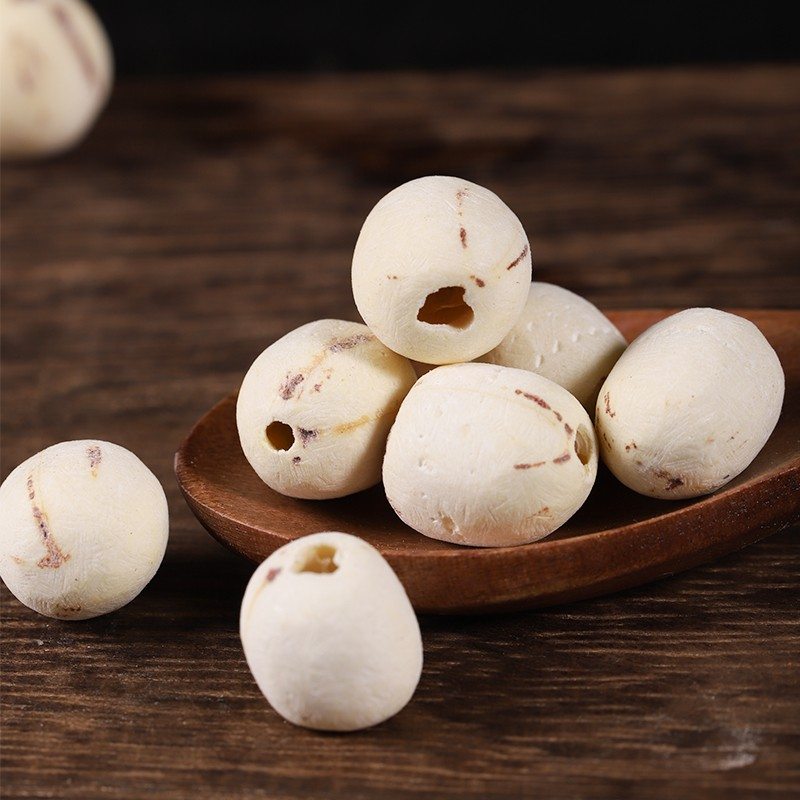
Direct answer
Ask what exact claim will be made, which organization or authority supports it, who is authorized to use it, what products and activities are covered, and whether the offered lot can be traced through the authorized chain.
Do not infer authorization from a local address, product appearance, a third-party certificate or a general statement about regional industry importance.
A practical buyer decision path
Define
Application, specification, quantity, destination and evidence needs.
Compare
Align supplier responses, methods, exclusions and commercial basis.
Verify
Check the agreed company, product, document or on-site scope.
Control
Record samples, approvals, changes, inspection and shipment milestones.
Close
Deliver the agreed record, open-item list and next-step decision.
Why it matters
Origin language can affect product positioning, labels, customer contracts and regulatory exposure. The evidence must match the exact wording used.
A valid organization-level record may still fail to prove that a particular lot, processor or exporter is covered.
Buyer decision criteria
- Exact protected or descriptive wording proposed
- Authoritative registration or rule source
- Authorized entity and relationship to manufacturer, processor and exporter
- Covered product, geography, process and validity dates
- Lot-level raw-material and processing traceability
- Destination-market label and advertising review
Specification checklist
| Evidence layer | Question | Acceptable record characteristics |
|---|---|---|
| Legal basis | What registration, rule or recognized scheme defines the claim? | Authoritative source, current status and exact scope |
| Authorization | Who may use the name or mark? | Named entity, scope, dates and verifiable relationship |
| Origin chain | Where were raw material and relevant processing steps completed? | Dated records linked by lot or batch identifiers |
| Shipment link | Does the evidence cover this commercial lot? | Consistent product, quantity, lot and document identifiers |
Document checklist
- Authoritative registration or rule reference
- Current authorization or licensing evidence where applicable
- Entity registration and role in the supply chain
- Farm, collection, processing and packing traceability records as relevant
- Lot list and shipment linkage
- Approved label or claim wording following market review
Common mistakes
- Treating “made in the region” as proof of an authorized protected claim
- Publishing a logo or certificate image without checking rights and validity
- Verifying a company but not the product or lot
- Using translated wording broader than the original scope
- Failing to recheck authorization after expiry or source change
Questions to ask suppliers
- What exact origin or GI wording do you propose for this product?
- Which entity is authorized, and how is it connected to the offered lot?
- Can the lot be traced back through raw material, processing and packing?
- May the buyer reproduce the name or mark, and under what conditions?
- Who will notify the buyer if authorization, source or scope changes?
Related products and pages
Supplier Network
How XiangtanExport handles private supplier review and matching.
Frequently asked questions
Can this guide replace a project-specific specification?
No. Use it to prepare questions and controls, then obtain the required technical, regulatory and legal review for the actual project.
Does this guide confirm a particular supplier?
No. Supplier identity, capability and evidence are reviewed privately against a qualified buyer requirement.
What should a buyer send for review?
Send the application, specification or drawing, quantity, destination, timing, packing and required tests or documents.
Sources & references
Official geographic-origin context: China National Intellectual Property Administration — Xiang Lotus geographic-indication product protection requirements. Current public standards records: DB43/T 439-2019, Geographical Indication Product — Xiang Lotus and NY/T 1504-2007, Lotus Seed. Accessed 7 September 2026.
These public sources establish geographic-indication and standard context; they do not prove authorization, origin, grade, compliance or lot results for an unnamed commercial source. Check the exact source, product, document holder, scope, dates and lot linkage.
Send us your sourcing requirement
Share the specification, quantity, destination and required documents. We will review the request before matching a suitable supply source.
Review and evidence note
Last reviewed: 2026-09-07
This guide makes no claim that an unnamed supplier or listed product is authorized to use a protected Xiang lotus name. Authorization must be verified case by case.
Final product availability, specification, documentation and commercial terms are confirmed during supplier matching and quotation.