
Oilfield polymer guide
CMC vs PAC in Drilling Fluids: A Qualification Guide
CMC and PAC are related cellulose derivatives used in water-based drilling-fluid programs. A useful comparison starts with the exact offered products and a controlled fluid test—not a universal ranking of the two names.
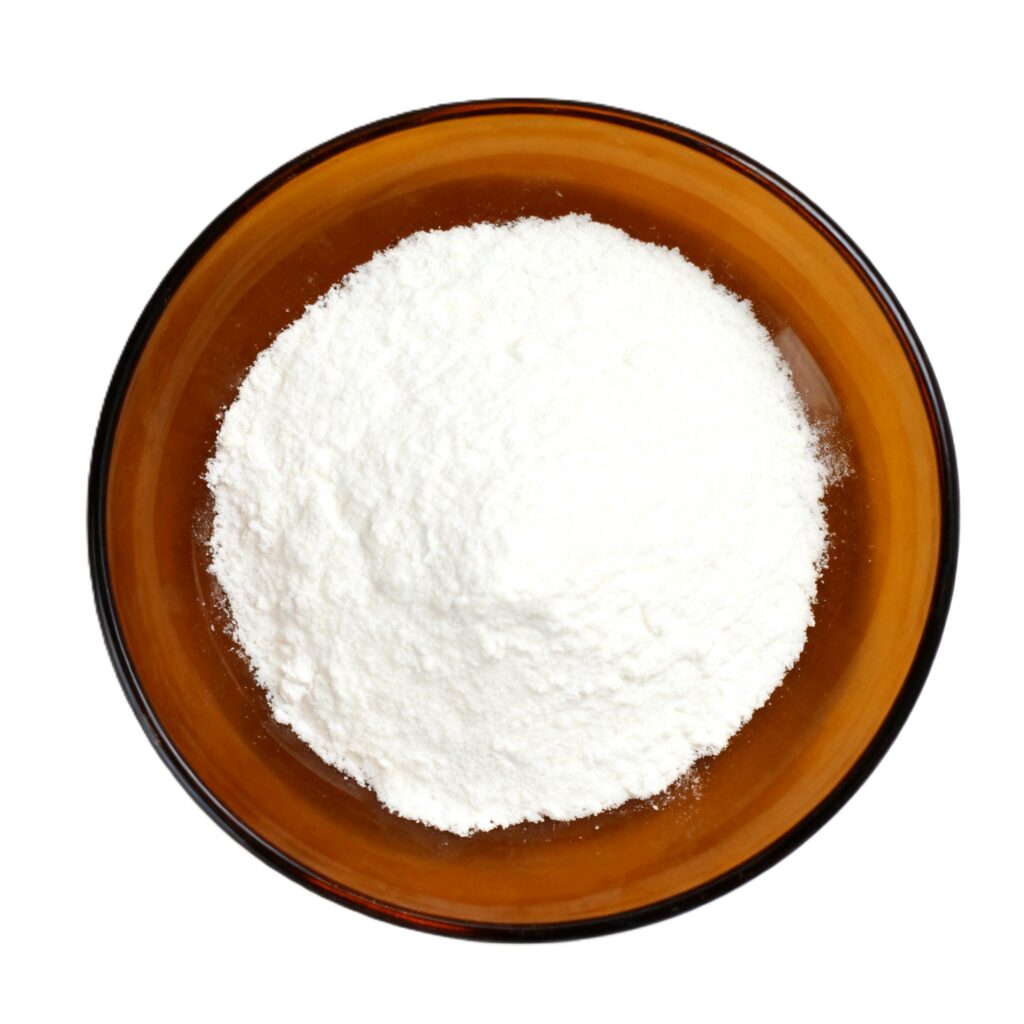
Direct answer
Do not choose from the generic names alone. Obtain the exact CMC and PAC specifications, then test candidates at controlled dosage in the intended base water, salt/ion, solids and contamination environment using the same mixing and ageing procedure.
Compare both filtration and rheology because a candidate may reduce fluid loss while contributing a different viscosity profile. Interpret temperature and salt performance only within the tested conditions.
Fair-comparison matrix
| Control | Required record | Why it matters |
|---|---|---|
| Product identity | Full name, grade/model, source and lot | Prevents category-level assumptions |
| Fluid recipe | Water, ions, clay/solids, pH and contaminants | Defines the chemical and solids challenge |
| Dose and mixing | Basis, sequence, shear and time | Ensures equal preparation |
| Ageing | Temperature, duration and equipment | Makes post-ageing results comparable |
| Outputs | Raw filtration, rheology and observations | Shows trade-offs rather than one headline claim |
A practical buyer decision path
Define
Application, specification, quantity, destination and evidence needs.
Compare
Align supplier responses, methods, exclusions and commercial basis.
Verify
Check the agreed company, product, document or on-site scope.
Control
Record samples, approvals, changes, inspection and shipment milestones.
Close
Deliver the agreed record, open-item list and next-step decision.
Why it matters
Product naming conventions can vary, and commercial grade families may overlap in some claims. Source specifications and method-matched data are more reliable than category labels.
A buyer-controlled comparison supports selection, first-lot validation and field change management.
Buyer decision criteria
- Exact polymer and grade identity
- Fluid-loss target and test method
- Acceptable rheology contribution
- Freshwater, salt and ion environment
- Solids and contamination conditions
- Ageing temperature and time
- Cost-in-use, packing and source consistency
Specification checklist
| Stage | Test | Decision |
|---|---|---|
| Incoming | Buyer-defined identity and powder controls | Are samples traceable and comparable? |
| Baseline | Fluid without candidate polymer | What is the untreated reference? |
| Candidate screen | Equal-dose mixing and pre-ageing readings | How do initial responses differ? |
| Challenge | Salt/contaminant and ageing protocol | Which trade-offs appear under intended conditions? |
| Commercial control | First-lot and routine methods | Can approved performance be controlled? |
Document checklist
- CMC and PAC controlled specifications
- Lot-linked COA for each sample
- SDS and handling data
- Buyer fluid recipe and test protocol
- Raw pre/post-ageing results
- Sample decision and source-change controls
Common mistakes
- Assuming PAC always outperforms CMC
- Testing different dosages or fluid recipes
- Reporting filtration without rheology
- Omitting ageing and contamination conditions
- Using unsupported certification or field-performance claims
Questions to ask suppliers
- How is the offered product identified and controlled?
- What exact fluid recipe supports your application data?
- Which dosage, mixing and ageing conditions were used?
- Can the grade be tested under our procedure?
- What changes trigger notification or requalification?
Related products and pages
Frequently asked questions
Is PAC always better than CMC for drilling fluids?
No universal ranking is valid. Compare exact products in the intended fluid system and balance filtration, rheology and commercial controls.
Should candidates be compared at equal dosage?
Equal-dose screening is useful, but the buyer may also compare optimized dosage and cost-in-use under a documented design.
Can one brine test prove all salt tolerance?
No. Interpret results only for the composition, concentration, temperature and method tested.
Sources & references
This guide avoids universal product rankings and unsupported standard or certification claims. Exact methods and grade scope must be verified for the project.
Supplier and buyer laboratory data remain source- and protocol-specific evidence.
Send us your sourcing requirement
Share the specification, quantity, destination and required documents. We will review the request before matching a suitable supply source.
Review and evidence note
Last reviewed: 2026-09-07
No general superiority, API certification, field result or universal salt/temperature capability is claimed.
Final product availability, specification, documentation and commercial terms are confirmed during supplier matching and quotation.